A Major LIFE Project Launched in Latvia to Improve the Ecological Status of Rivers
Continuing the implementation of the European Union’s environmental policy in the fields of hydrology and river ecology, Latvia has launched the European Union LIFE Environment and Climate Programme project “Sustaining Latvia's Aquatic Ecosystems - Solutions for Hydrological and Morphological Restoration” (LIFE RiverFlow). The project aims to improve the ecological status of surface waters and restore the natural flow of rivers.
Through the cooperation of ten public institutions, scientific organisations, companies, and environmental NGOs, targeted measures will be implemented in Latvian rivers and related aquatic ecosystems to reduce the impacts of altered river flow and physical barriers caused by human activity, while improving fish migration opportunities and restoring natural habitats.
The ecological condition of Latvian rivers has been significantly affected by various human-made alterations, including changes to natural river flow, riverbeds, and banks that mainly developed during the 20th century through river regulation, drainage system construction, and the establishment of historical mill dams, embankments, and hydropower plants. Currently, several hundred barriers of varying scale have been identified in Latvian rivers, interrupting river continuity, altering hydrological regimes and sediment transport, and significantly restricting the movement and habitat accessibility of migratory fish species.
Within the LIFE RiverFlow project, management solutions based on scientific research and monitoring data will be implemented to mitigate the impacts of priority barriers in Latvian rivers. Over five years, an integrated set of measures will be carried out in eight rivers across different regions of Latvia, creating the preconditions for restoring ecological continuity along more than 1,034 kilometers of river stretches.
LIFE RiverFlow is closely linked to the integrated project LIFE GoodWater IP, through which Latvia has been implementing river basin management plans in accordance with the EU Water Framework Directive since 2020. LIFE RiverFlow will build on the data and analytical foundation developed within LIFE GoodWater IP, transferring the work already carried out into practical implementation of solutions in rivers and associated ecosystems. At the same time, the project contributes to the objectives of the European Union Biodiversity Strategy, which aims to restore at least 25,000 kilometers of free-flowing rivers by 2030.
Within the framework of LIFE RiverFlow, targeted hydromorphological restoration measures are planned, including:
- eliminating or reducing the impacts of three priority barriers in Latvia (from the TOP70 barriers list), including demolition of the Staicele dam on the Salaca River and construction of fish passes in the Iecava and Mazā Jugla river basins;
- removal of other small barriers in river sections where they cause fragmentation and habitat degradation;
- implementation of solutions to reduce water-level fluctuations caused by small hydropower plants, including ensuring ecological flow;
- development of digital tools for ecological flow monitoring and assessment of barrier impacts to support decision-making by competent authorities;
- reintroduction of salmon and lamprey into the Ogre River;
- establishment of a financial support instrument – a grant programme – for barrier removal and impact mitigation, enabling municipalities, landowners, and infrastructure owners to apply for funding for river restoration activities.
The measures will be implemented in eight river basins across Latvia: the Salaca, Iecava, Mazā Jugla, Abze, Ogre, Svēte, Lielupe, and Auce rivers, covering catchment areas in Vidzeme, Zemgale, and Kurzeme.
At the same time, the project will place strong emphasis on strengthening institutional capacity, cooperation with responsible state authorities, and raising public awareness about ecological river continuity and its importance for nature and human well-being. The project seeks to promote long-term changes in attitudes towards free-flowing rivers as an essential part of natural capital.
Linda Fībiga, Project Manager at the Latvian Environment, Geology and Meteorology Centre:
“Latvian rivers are our wealth, but they need to be cared for. We humans have significantly altered natural river flow over many decades. To increase fish populations and ensure sufficient food resources, we must create opportunities for fish migration, help restore spawning grounds, and reduce pollution entering rivers. By cooperating with scientists and applying already tested and effective solutions, the project experts will be able to achieve improvements in our rivers. The results may not come immediately, but after a few years - because nature is nature, with its own pace and capacity for recovery - we will help accelerate this process. Unfortunately, improving the ecological status of rivers will not be possible without reducing the impacts of barriers.”
“LIFE RiverFlow is unique in both its scale and long-term perspective - it simultaneously improves the ecological status of rivers and promotes understanding of the importance of free-flowing rivers for the future living environment. Such changes are not possible without public participation and shared responsibility for our rivers,” emphasizes Dr. oec. Elīna Klodāne, Senior Expert at the association “Baltijas krasti”.
The LIFE RiverFlow project is coordinated by the state-owned company “Latvian Environment, Geology and Meteorology Centre”. Project partners include the Institute of Food Safety, Animal Health and Environment BIOR, the Ministry of Climate and Energy, Baltic Environmental Forum, AS Latvenergo, VGBE Energy (Germany), the association “Baltijas krasti”, WWF Latvia, the state-owned company “Real Estate of the Ministry of Agriculture”, and the Institute for Environmental Solutions.
The total budget of the LIFE RiverFlow project (LIFE24-ENV-LV-LIFE-RiverFlow/101216013) is EUR 8,488,897.10, of which 60% is financed by the European Union LIFE Environment and Climate Programme, while 40% is provided through co-financing by the Republic of Latvia, including support from the Ministry of Smart Administration and Regional Development and contributions from project partners. The project will run for 60 months until August 2030.
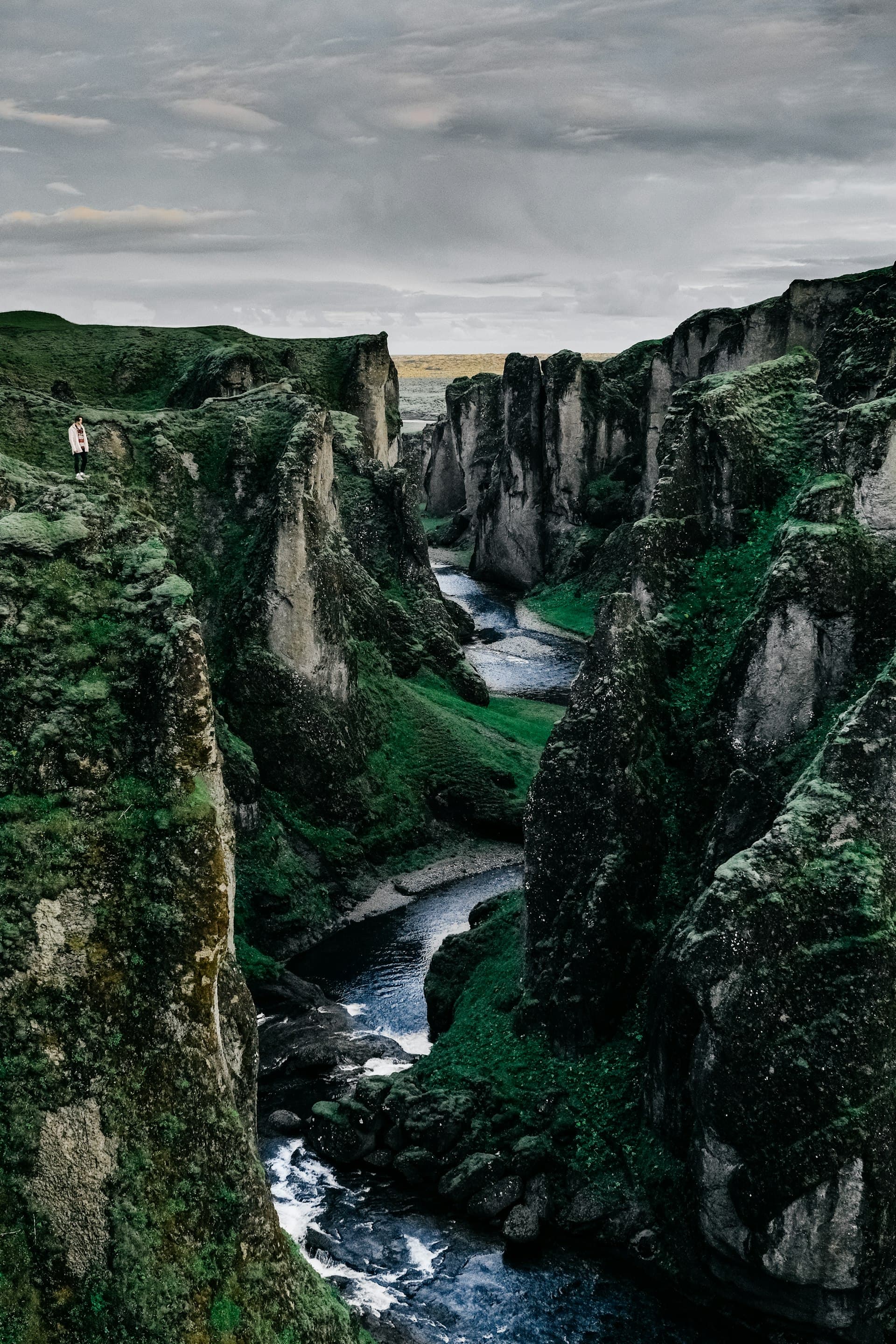
Illustrative image and photography author: Emīls Rubīns.