The spring of 2026 in Latvia has once again demonstrated how unpredictable water behavior can be. This year, responsible authorities warned well in advance that spring floods could be more severe in some areas than in recent years due to the thick snow cover and ice formation in rivers. However, floods are not only a natural phenomenon - their scale and consequences are also largely determined by how river systems have been altered over the past century.
In several regions, municipalities prepared early this winter for possible spring flooding by establishing protective measures, identifying risk areas, and encouraging residents to take timely action.
At the same time, it is important to emphasize that spring floods and ice jams represent only one aspect of flood risk. Another scenario is becoming increasingly significant in Latvia - localized flooding caused by intense rainfall, which can affect areas where such risks were previously considered relatively low.
Data compiled in the Latvian Environment, Geology and Meteorology Centre's (LEGMC) Preliminary Flood Risk Assessment for 2025–2030 indicate a growing flood risk from heavy precipitation events (more than 50–100 mm per day). The number of flood-prone areas is also increasing, with 15 new territories in the Daugava, Lielupe, and Venta river basins recently designated as flood-risk areas.
As a result of climate change, shorter but more intense rainfall periods are being observed, often followed by prolonged droughts. In this context, the ability of water ecosystems to adapt becomes particularly important. However, many Latvian rivers remain straightened, deepened, or partially obstructed. This means that water flows faster, accumulates in areas affecting infrastructure, and generally creates greater risks than naturally flowing rivers.
The result? Flooding in one location, eroded riverbanks in another, while the costs are borne by everyone.
Every flooded road means additional expenses for municipalities, while flooded agricultural land results in losses for farmers. Consequently, floods are becoming an increasingly significant economic and social risk.
According to LVĢMC data, approximately 625,457 people live in flood-risk areas adjacent to rivers flowing through lowland regions across Latvia's river basins - around 76,000 in the Venta basin, 118,000 in the Lielupe basin, nearly 400,000 in the Daugava basin, and 33,000 in the Gauja basin.
In the European context, rivers are among the most heavily modified ecosystems. More than one million barriers have been identified in European rivers, affecting water flow, ecosystem stability, and the ability to adapt to climate change.
Problems with natural water regulation often begin in smaller water bodies. Dams, improperly constructed culverts, old mill ponds, stone embankments, and historically altered river sections can all disrupt natural flow. In Latvia, there are approximately 1,500 such barriers, excluding hydropower plants. Unfortunately, these “small barriers” often determine where water accumulates and where it eventually breaks through, causing floods.
Across Latvia, around 140 small hydropower plants are located on 82 rivers (according to LEGMC data), and nearly one-quarter of them operate in cascades - multiple hydropower plants situated sequentially along the same river. In many cases, these facilities operate without proper coordination, increasing flood risks.
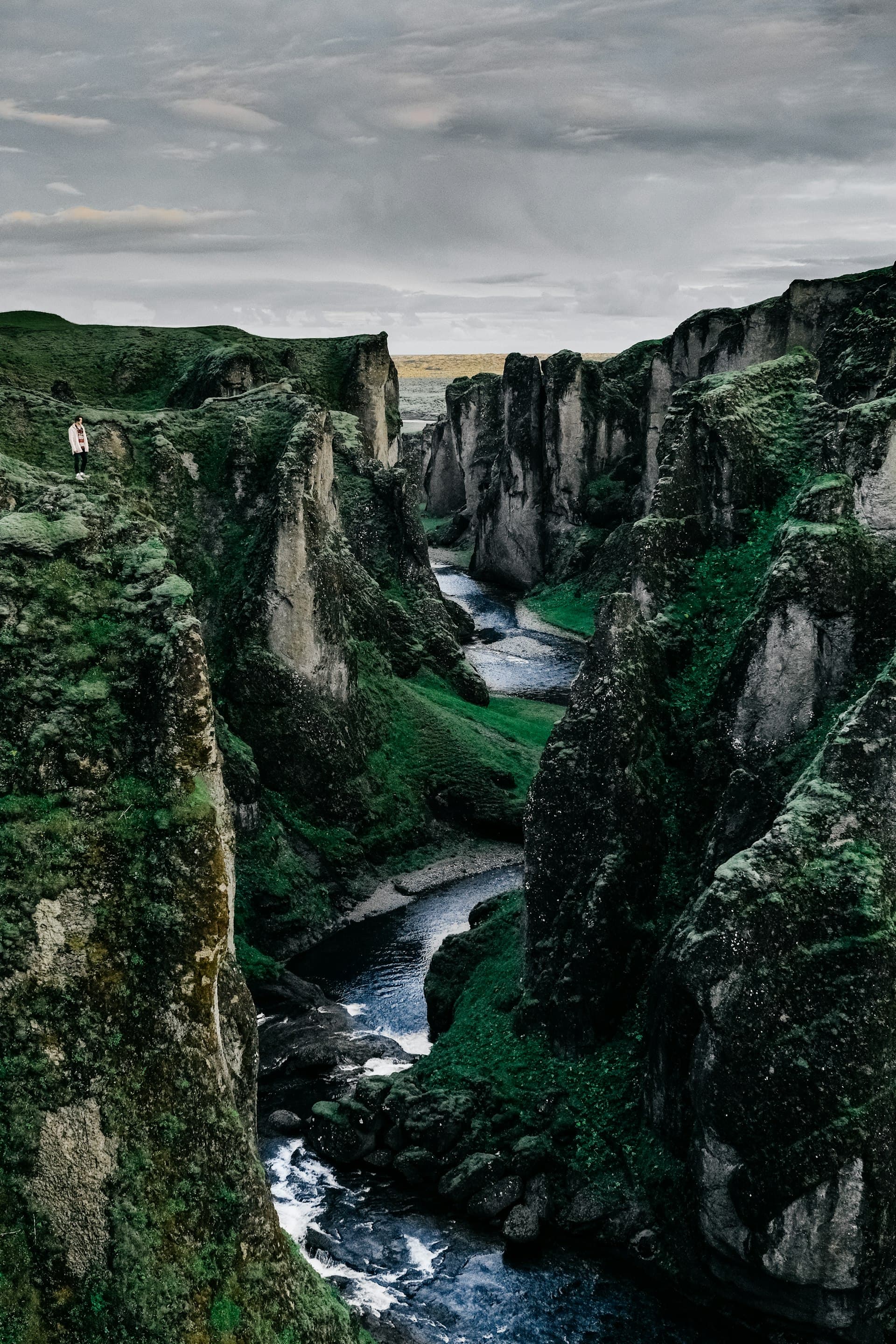
Unlike straightened rivers, a free-flowing river naturally meanders and is connected to floodplains and wetlands. These features help absorb excess water during heavy rainfall, reduce flood risks in populated areas, and retain moisture during drought periods. Such ecosystem services - the benefits that nature provides to people - often go unnoticed until problems arise.
In other words, nature itself offers a solution that is often cheaper and more effective than technical engineering measures.
There still is a widespread perception that flood risks are primarily associated with large rivers. Similarly, many people believe that a “well-managed river” should be straight, regulated, and bordered by carefully maintained banks. However, under climate change conditions, it is precisely the free-flowing river that becomes a guarantee of safety.
Several projects are already underway in Latvia, including the LIFE RiverFlow project, aimed at restoring natural river flows and reducing climate-related risks. Within the project, several historical barriers will be removed from eight rivers, fish migration routes will be improved, studies will be conducted on stabilizing water regimes, and a financial instrument will be developed for landowners interested in removing barriers on their properties. By combining data-driven knowledge and technology, the project aims to restore up to 1,034 kilometers of rivers by 2030. This would represent 4% of the European Union's overall target of restoring 25,000 kilometers of rivers across its territory by 2030.
In the near future, we will have to decide whether to continue paying for the consequences of flooding or invest in nature-based solutions that help reduce flood risks.
In this context, free-flowing rivers are not merely elements of the landscape - they represent an entire infrastructure system without asphalt. And perhaps river restoration is one of the wisest investments we can make in the era of climate change.
More information about the project’s activities can be found on the “Latvian Waters – Pure and Free” social media account.
Additional Information
Liene Barkāne
Communications Manager, LIFE RiverFlow
Association “Baltijas krasti”
Mobile: +371 29125518
Email: liene.barkane@baltijaskrasti.lv